Faculty of Law Hosts Peer-Reviewed Student Conference on Shaping the Future of Legislation in the Age of AI
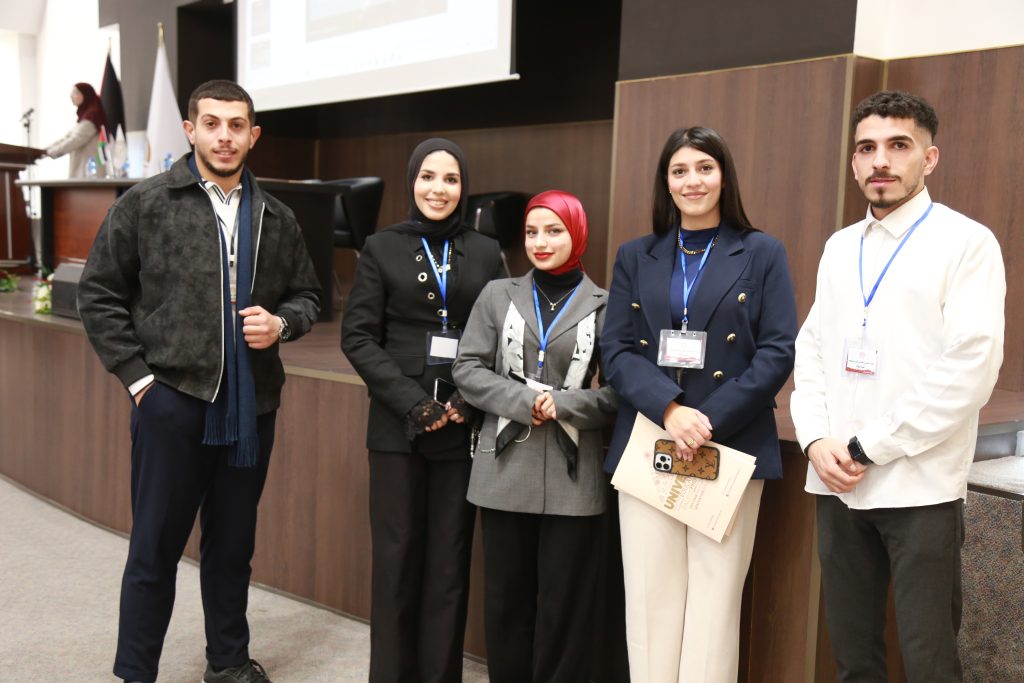
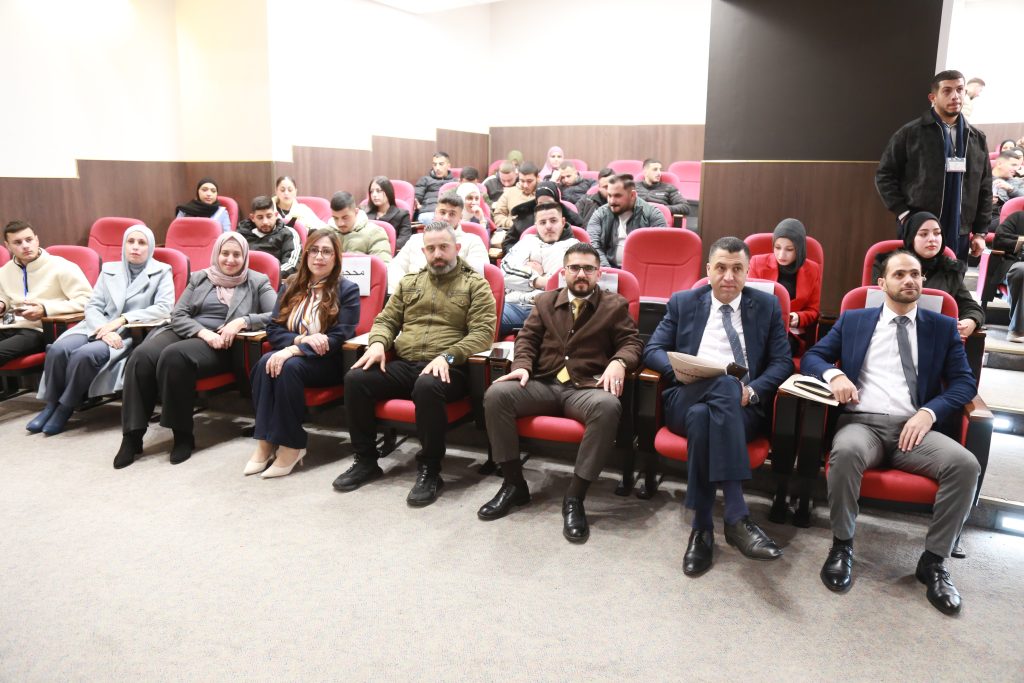
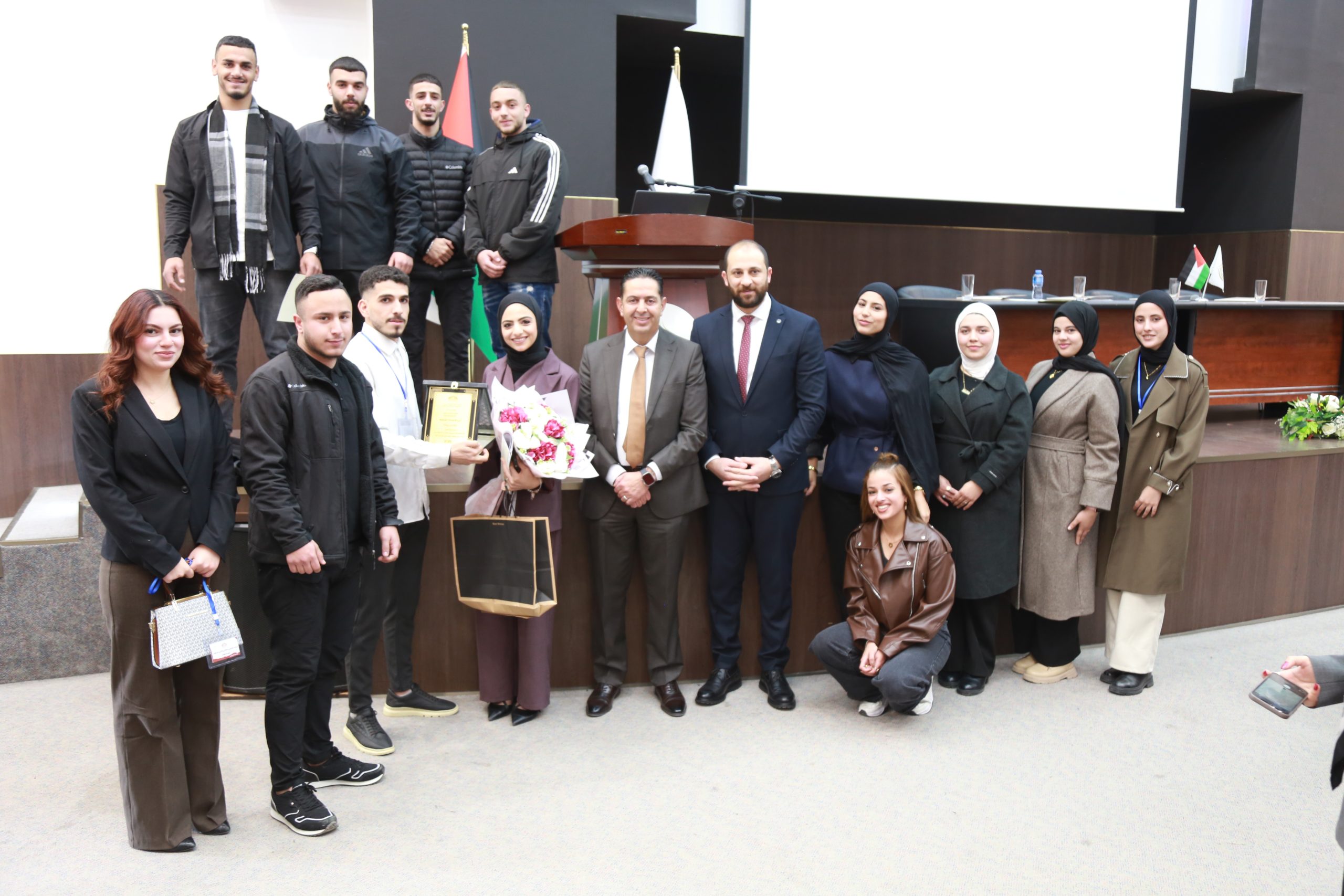
Under the Patronage of His Excellency the Palestinian Minister of Justice, Counselor Sharhabeel Al Zaeem, the Faculty of Law at Palestine Ahliya University held the Second Peer-Reviewed Student Legal Conference entitled: ‘Law in the Age of AI: Student Perspectives on Future Legislation.’
The conference was organized to provide the Faculty’s students with a solid research platform to present their studies and discuss the challenges posed by AI to the legal system, as well as to explore ways to develop Palestinian legislation capable of keeping pace with the digital age. The initiative aligns with the Faculty’s commitment to fostering research leadership and preparing a generation of legal professionals able to anticipate the practical and legislative implications of AI. Through a scholarly environment, the conference encouraged students to develop innovative legislative models that serve Palestinian society and enhance its legal infrastructure.
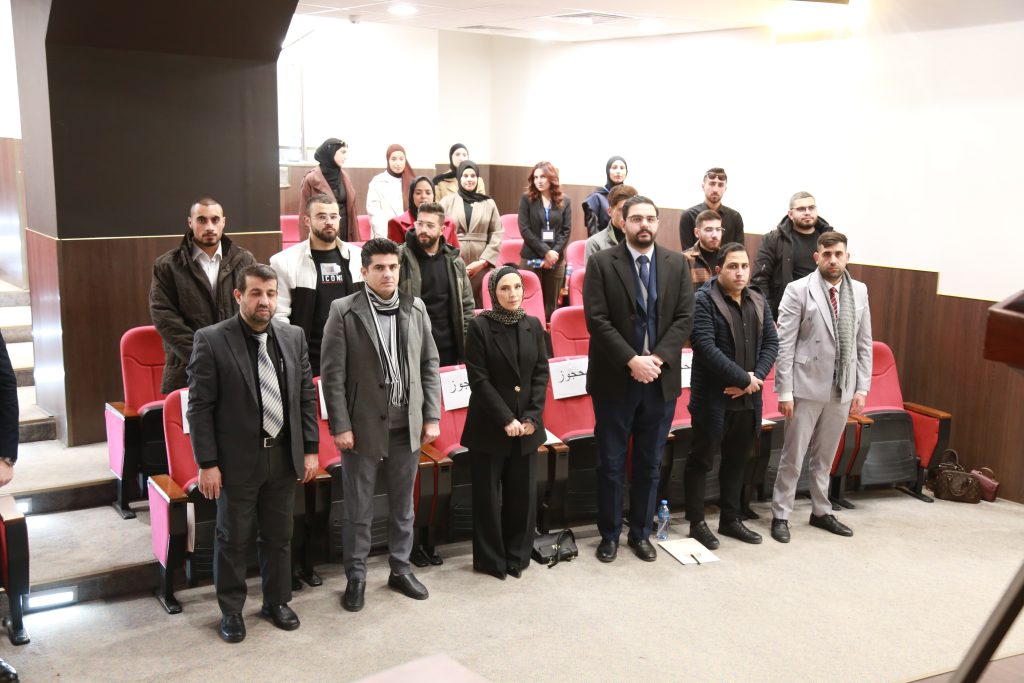
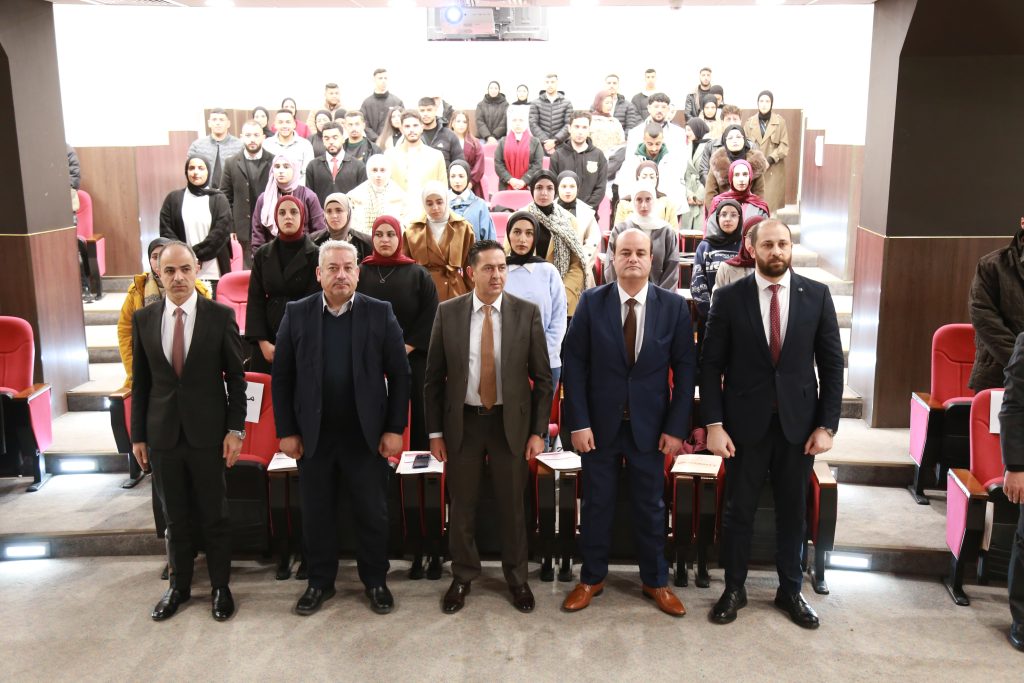
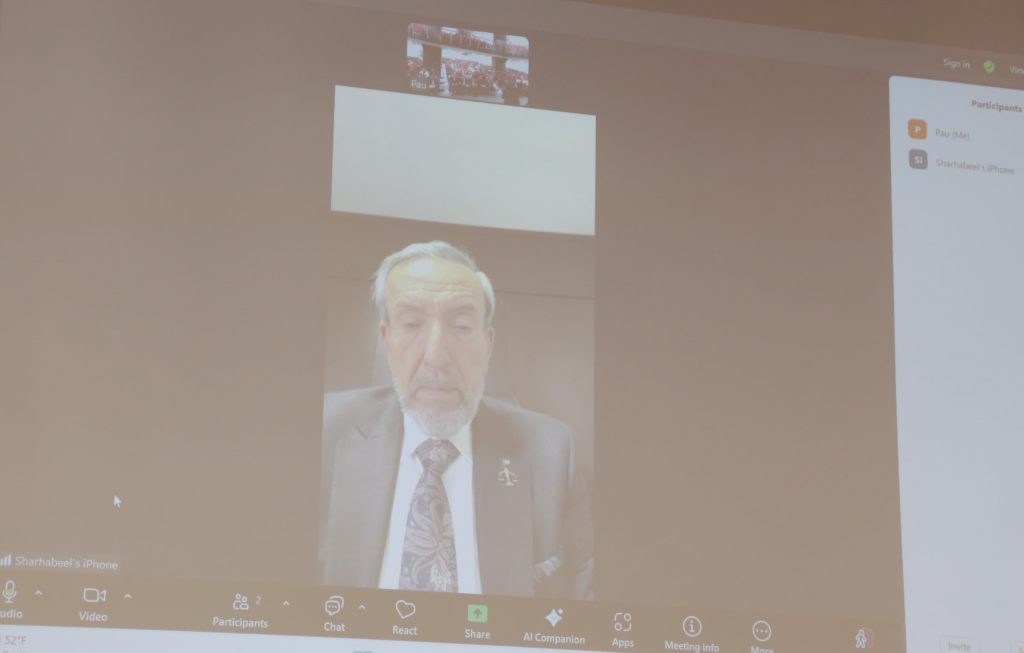
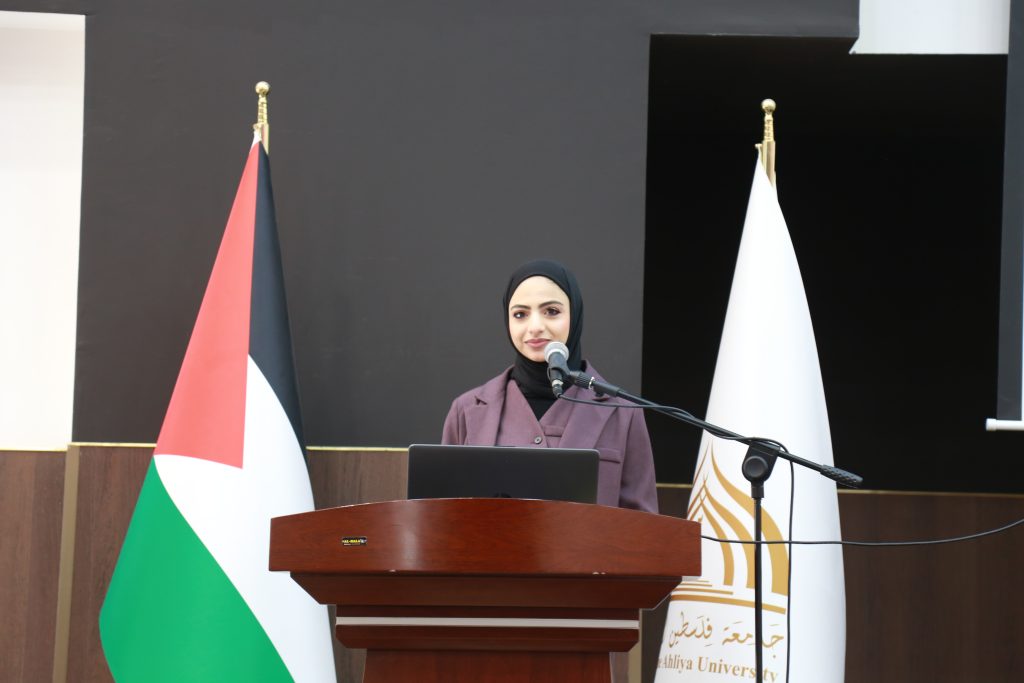
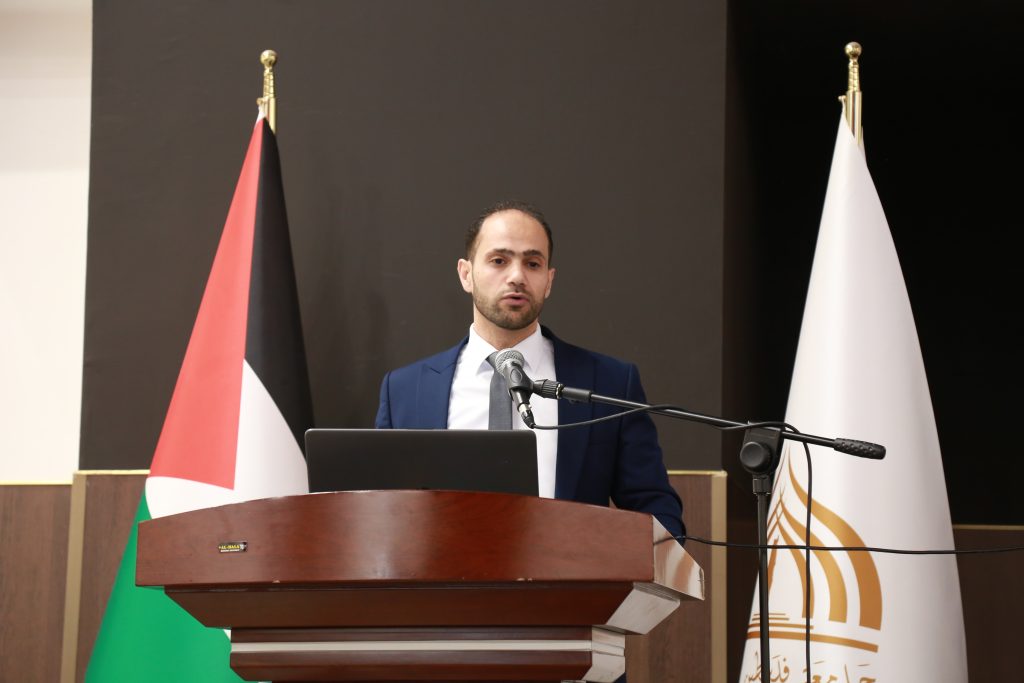
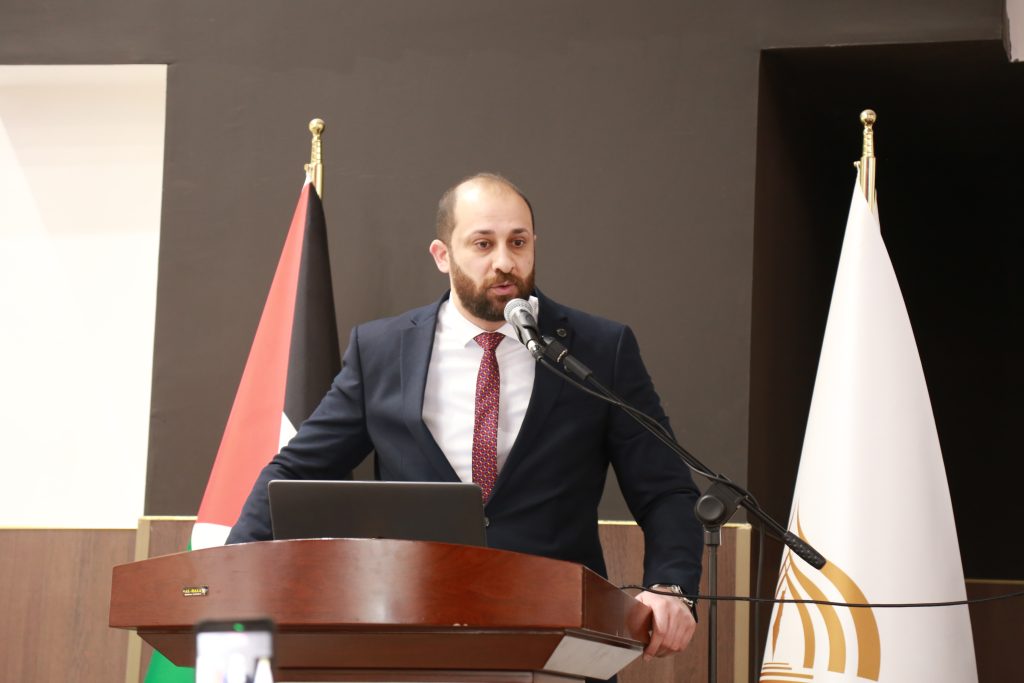
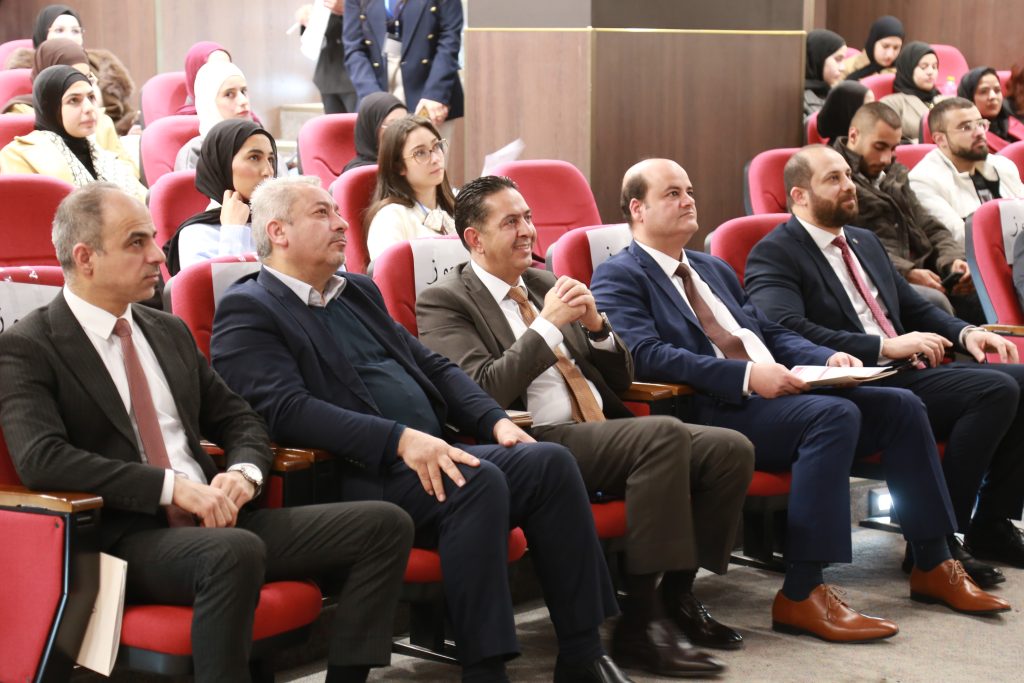
The opening session was commenced by the master of ceremonies, Ms. Imtenan Ziada, followed by a recitation of the Holy Quran by student Mohammad Nader Abu Dayya, and the Palestinian national anthem. The session included official speeches by Pro. Imad Al-Zeer, University President and Conference Chair; Dr. Mohammed Saabneh, Dean of the Faculty of Law and Chair of the Preparatory Committee; and Mousa Ajouz , Head of the Research Department, culminating in the keynote address by the conference patron, His Excellency the Palestinian Minister of Justice, Counselor Sharhabeel Al Zaeem
In their remarks, the speakers emphasized that artificial intelligence is no longer merely a technical subject but has become influential in the fields of judiciary, legislation, administration, and intellectual property. This development calls for rigorous scholarly and legislative efforts that balance innovation with the protection of rights and the rule of law. The University and Faculty leadership also highlighted the importance of empowering peer-reviewed student research and aligning it with the needs of the Palestinian legal system, within an institutional vision that positions students as partners in shaping the legislation of the future.
Prof. Imad Al-Zeer emphasized that the University views this conference as a ‘student lab for fostering legislative awareness,’ noting that peer-reviewed research is the most direct path to connecting law with the transformations brought by AI. His Excellency the Minister of Justice, Sharhabeel Al Zaeem, addressed the Ministry’s support for scholarly efforts that contribute to establishing legal frameworks ensuring the responsible use of AI, protecting rights, and upholding the rule of law. Dr. Mohammad Saabneh highlighted that the Faculty of Law places students at the ‘heart of the legislative question’ to develop modern Palestinian legal perspectives that respond to gaps created by the digital transformation. Dr. Mousa Ajouz, in turn, noted that the University’s research agenda is focused on promoting publication and peer review while connecting academic knowledge to societal needs and justice.
The conference proceedings were organized around two main themes: the smart transformation of the legal and constitutional authority structure, and legislative developments in the fields of intellectual property, commercial transactions, and labor in the era of AI. Within these themes, students presented research papers addressing specialized topics, including the legal basis for delegating administrative authority to intelligent systems, the role of artificial intelligence in developing and drafting constitutions, the limits of its use in delegating constitutional amendment powers, and the evidentiary value of official electronic documents, among other issues.
The second session focused on contemporary matters such as the protection of patents, copyright in the age of AI-enhanced creativity, safeguarding audio recordings, the digitalization of commercial paper transactions, the use of AI tools in will distribution, and the legal framework for terminating employment contracts resulting from automation.
The research presented at the conference led to several recommendations, focusing on key areas: accelerating the development of national legislation or frameworks to regulate the use of artificial intelligence in judicial and administrative fields, incorporating principles such as transparency, explainability, non-discrimination, and accountability; updating electronic evidence rules by adopting clear technical and procedural standards to ensure the reliability and evidentiary value of digital proof, as well as regulating its collection, examination, and presentation in court; establishing effective oversight of automated administrative decisions (when delegating certain tasks to intelligent systems) by guaranteeing the right to appeal, the duty to provide reasoning, and access to data and algorithms when necessary; and setting constitutional safeguards for the use of AI tools in legislative drafting and constitutional analysis, emphasizing that AI should serve a supporting role and cannot replace human constitutional intent.
Additional recommendations included strengthening digital intellectual property protection by addressing issues related to authors and inventors, data and content licensing, protecting audio recordings, and updating electronic enforcement mechanisms; developing fair labor legislation to address the impact of automation clearly (including compensation, rehabilitation, and contract termination standards) while preserving economic and social rights; and creating regulatory frameworks for the use of AI in managing wealth and wills to protect intent, consent, prevent manipulation, and ensure justice. Finally, the recommendations highlighted the importance of supporting student legal research, promoting academic publishing, and establishing peer-reviewed conferences as incubators for developing innovative legislative models that serve Palestinian society.
This student conference is part of the Faculty of Law’s vision to optimally prepare its students for the labor market, particularly in the areas of research and publication in both local and international peer-reviewed journals.