YFHS Emergency Preparedness Program: A Generation of First Responders in Bethlehem
In 2025, the Governor of Bethlehem documented more than 2,000 violations by occupation forces: 683 arrests, 127 physical assaults, 133 injuries from live ammunition and tear gas, 11 martyrs, 56 demolitions, and 315 military incursions. Inside this geography, student support is not about exam stress; it is a question of survival. In January 2025, Palestine Ahliya University launched the Youth-Friendly Health Space (YFHS) Emergency Preparedness Program, the first comprehensive university health unit in Palestine combining accredited physical first aid, civil defense, and psychological first aid under one roof.
Accredited first aid training in two tiers (21-hour basic, 44-hour advanced) is certified by the Palestine Medical Relief Society (PMRS), the Paramedics Syndicate, and Palestinian Civil Defense, aligned with Red Cross and Red Crescent standards. Civil defense workshops cover fire response, evacuation, and campus protocols. Psychological First Aid follows IASC and WHO guidelines. Ten first aid kits cover the seven faculties, two cafeterias, and the security room, with two advanced PMRS bags inside YFHS. Training hours count toward graduation in relevant faculties, with a standing student-led First Aid Team of 16 active year-round.
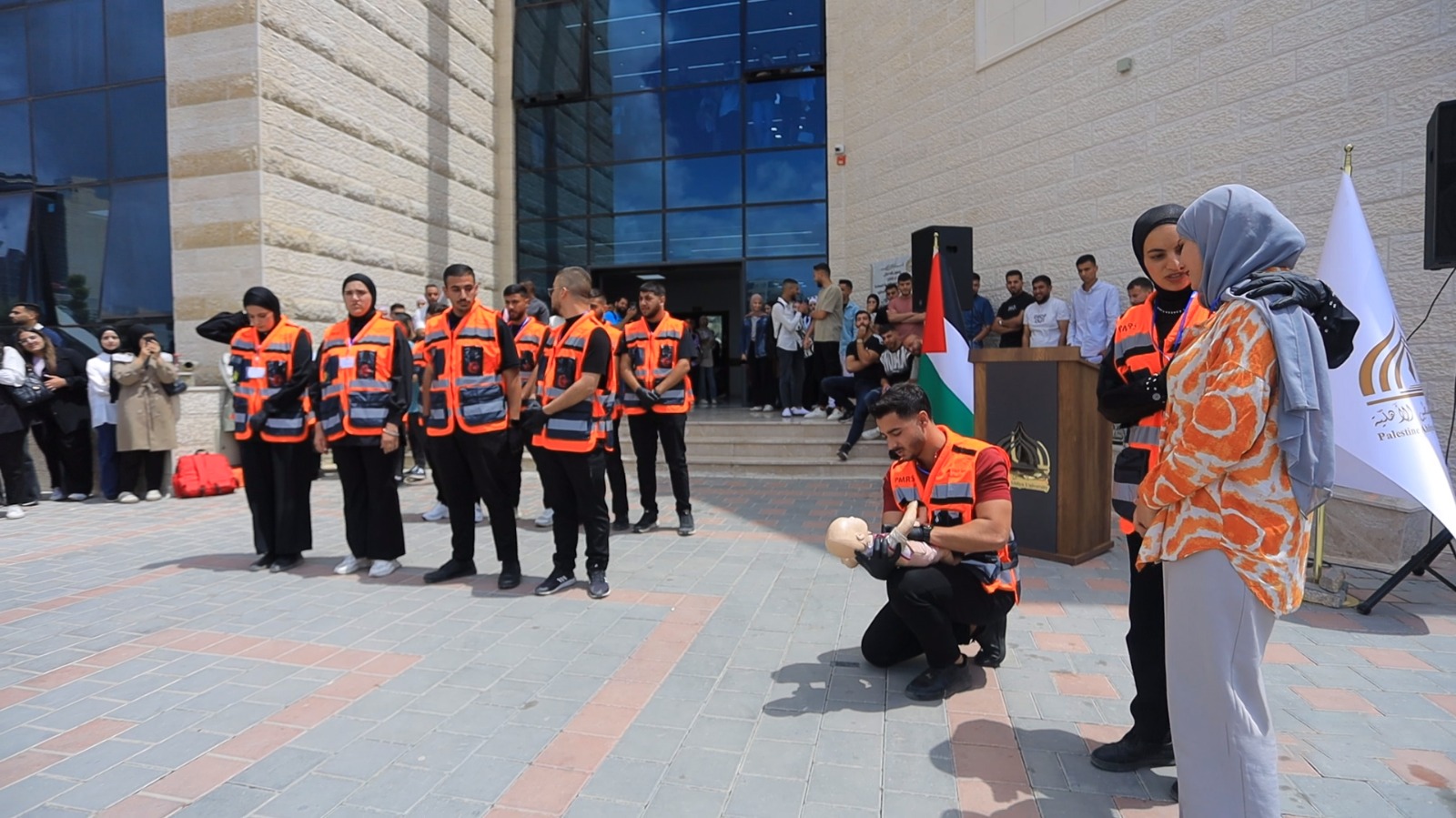
In its first year, the program reached nearly 500 students, with a documented cultural shift behind the numbers. A baseline survey found only 6 percent of polled students felt psychologically and practically ready to respond to emergencies. After training, the figure rose to 73 percent, a twelvefold increase, with practical knowledge scores at 86 percent. YFHS-trained students intervened in more than 36 real emergencies during 2025. Those cases cannot be publicly documented: under current conditions, providing aid to the injured can be treated by occupation forces as support for terrorism. That the work continues despite this risk is itself the achievement.
Beyond physical readiness, YFHS receives student voice and translates it into social impact. During the UN 16 Days of Activism against Gender-Based Violence campaign, a male student brought to YFHS his concern about psychological violence against men under “strong silent male” pressure. In partnership with PMRS and the UN Population Fund (UNFPA), the idea became a short film written and performed by students, on masculinity norms and the hidden pressures pushing young men away from their identity and choices. The film made YFHS a platform for student-led inquiry into mental health, not only a service for it.
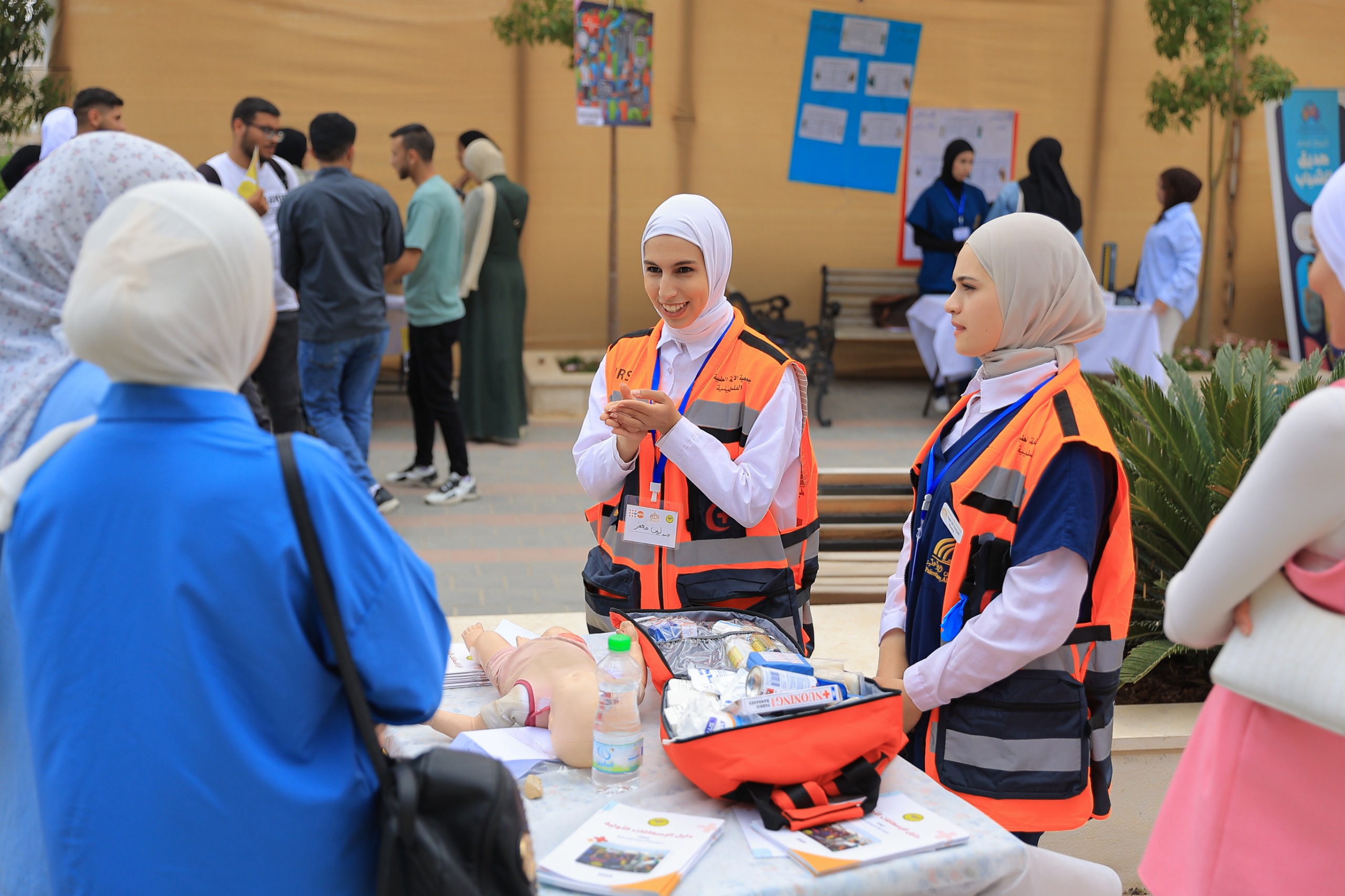
YFHS contributes to five Sustainable Development Goals with specific mechanisms: SDG 3 by building qualified emergency response capacity amid more than 2,000 annual violations in its governorate; SDG 4 by issuing accredited credentials integrated into the curriculum; SDG 5 by addressing gender norms affecting both women and men, through the UNFPA partnership and a female-majority response team; SDG 11 by embedding resilience infrastructure in a city under sustained pressure; and SDG 17 through partnerships with PMRS, the Paramedics Syndicate, Civil Defense, the Palestinian Ministry of Health, and UNFPA.
What Palestine Ahliya University built is not a student service. It is a generation that knows what to do when the ambulance cannot come, and a space that hears them when they speak.