Engagement in roundtables, conferences, and dialogues connecting academia, industry, government, and civil society to advance SDG implementation.
Introduction:
Palestine Ahliya University (PAU) actively engages in multi-sector dialogues and collaborative forums focused on advancing the United Nations Sustainable Development Goals (SDGs). Through its institutional framework and dedicated sustainability centers, the university fosters partnerships that bring together government representatives, non-governmental organizations, academic institutions, and community leaders to exchange insights and develop joint solutions for sustainable development challenges. PAU regularly participates in national and international conferences that address pressing sustainability issues, encouraging interdisciplinary collaboration and policy-oriented discussions. The university’s Planning and Development Department and Sustainability and International Ranking Center play a central role in coordinating these efforts, ensuring alignment between academic research and societal needs. By serving as a platform for dialogue and partnership, PAU strengthens its role as a catalyst for knowledge exchange and innovation, promoting collective action toward achieving the SDGs at both national and regional levels.
PAU Strengthens Pan‑Arab Student Training through Arab Council for Innovation
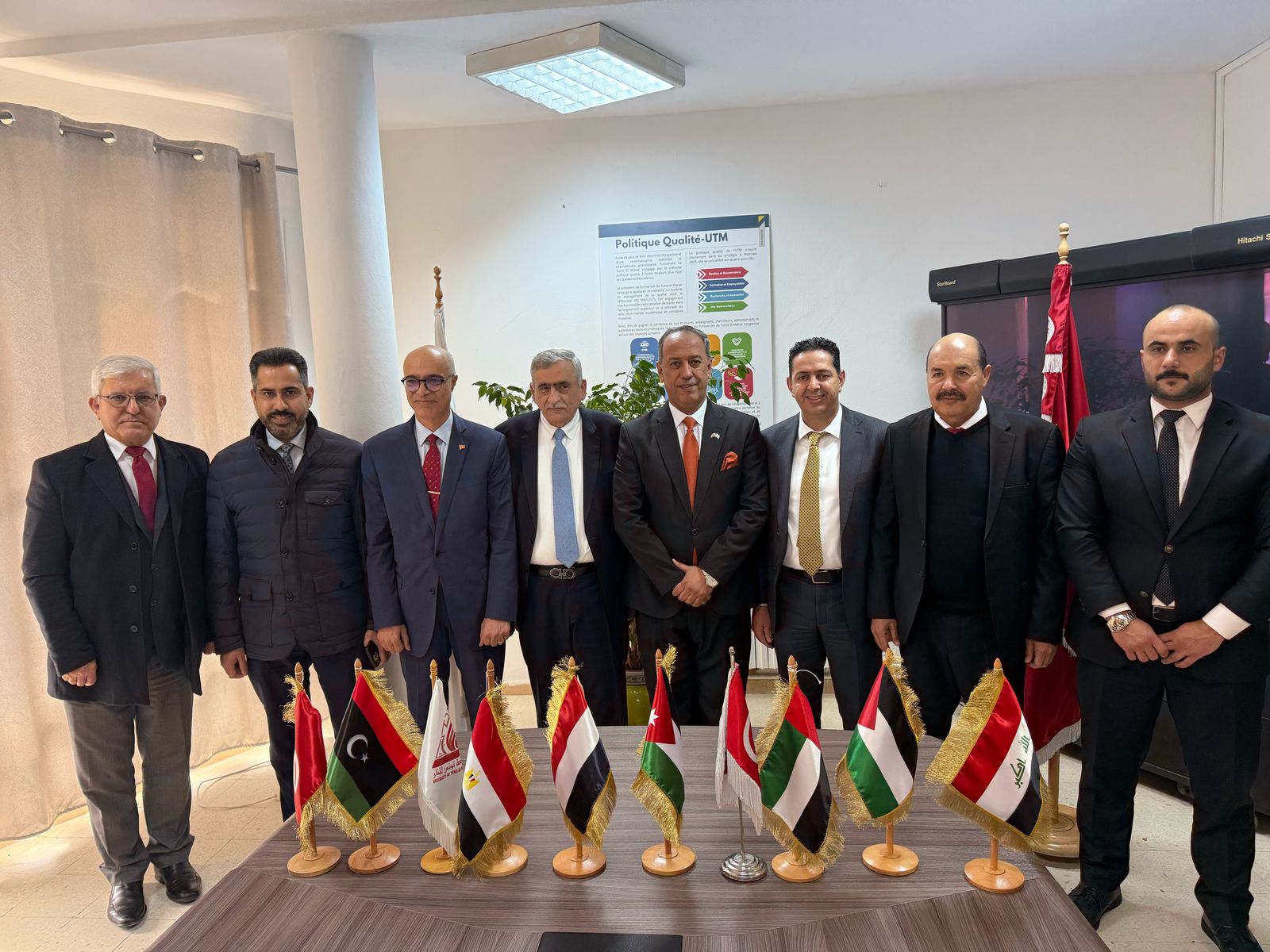
Dr. Imad Al-Zeer, President of Palestine Ahliya University, participated in the 32nd Annual Board Meeting of the Arab Council for Student Training & Innovation, held at the University of Tunis El Manar in Tunisia.
The meeting reviewed the Council’s 2024 activities, approved its 2025 budget, and endorsed key new initiatives — including the launch of an Arab Training Platform and the inaugural Arab Student Training Week, in partnership with the University of Sharjah.
Dr. Al-Zeer highlighted the importance of expanding youth capacity building, cross-university exchange, and creative training programs to better prepare students for future challenges in academia and the labor market
PAU Sustainability Center: Driving Education, Research & Action for a Greener Future
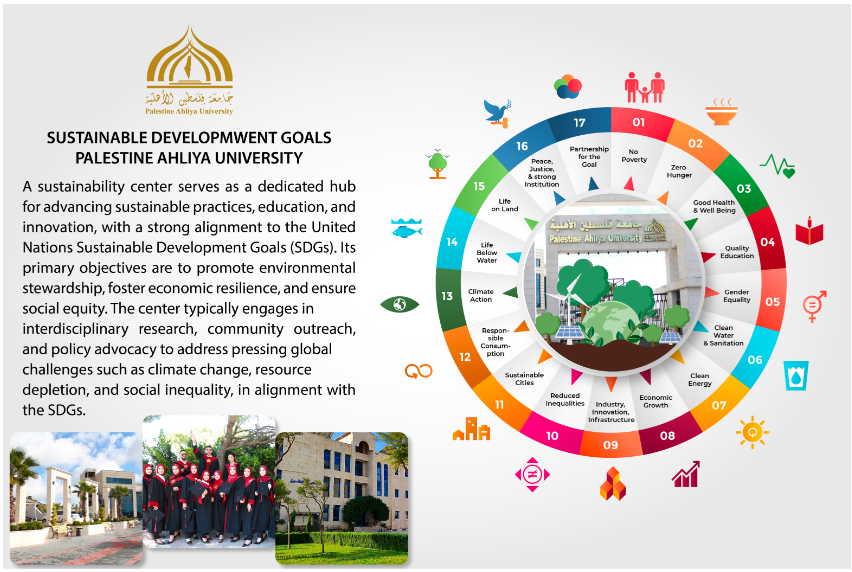
The Palestine Ahliya University Sustainability Center embodies PAU’s long-term commitment to sustainable development and cross‑cutting action in line with the Sustainable Development Goals (SDGs). Through education, research, and community engagement, the Center empowers students, staff, and the broader community to tackle socioeconomic and environmental challenges in Palestine. It integrates sustainability into university operations, academic curricula, and institutional planning, while building partnerships to promote equity, innovation, and environmental stewardship.
The Center guides PAU’s efforts in reducing carbon emissions, fostering green infrastructure, and cultivating an eco-conscious campus culture. By embedding sustainability across disciplinary boundaries, the Center acts as a strategic hub for creating a more resilient and just future for both the university and its wider community.
To learn more go to the link
https://www.paluniv.edu.ps/eng/pau-sustainability-center/?utm_source=.com
The Planning & Development Unit at Palestine Ahliya University

The Planning & Development Unit at Palestine Ahliya University (PAU) plays a pivotal role in steering the university’s academic and administrative growth by designing strategic plans, fostering institutional performance, and promoting international accreditation.
Meanwhile, the Quality Assurance Unit ensures that PAU adheres to both national and global quality standards by monitoring academic processes, facilitating self-assessments, and organizing training workshops on excellence in teaching, learning, and research.
To learn more go to the link
https://www.paluniv.edu.ps/eng/planning-and-development-department/?utm_source=.com
PAU Conference Calls for a National AI Strategy in Higher Education
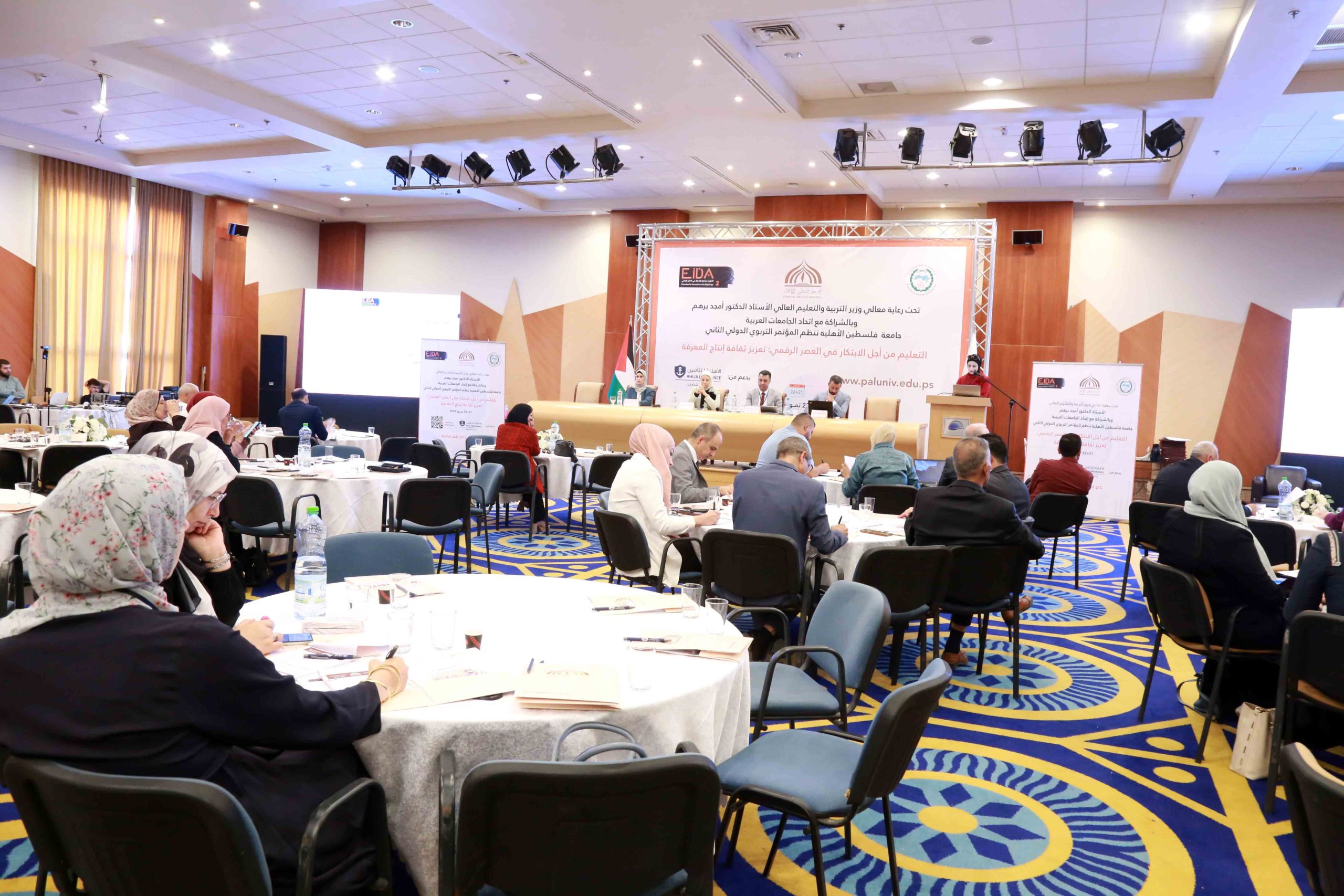
Palestine Ahliya University (PAU) organized a conference titled “Education for Innovation in the Digital Era: Fostering a Knowledge Production Culture”, in collaboration with the Arab Universities Union and supported by the Ministry of Higher Education.
The conference emphasized the need for a national strategy to integrate Artificial Intelligence (AI) into higher education, including developing digital infrastructure, training academic staff, and ethically embedding AI into university curricula. It also recommended establishing a PAU Center for AI and Digital Transformation to strengthen digital and technological capacities within the university. This initiative exemplifies cross-sector collaboration between PAU, national government bodies, the Arab Universities Union, and private sector stakeholders to develop a national policy on AI and digital innovation in higher education. It demonstrates how multi-stakeholder engagement can advance sustainable knowledge production, responsible AI integration, and institutional innovation.
To learn more go to the link